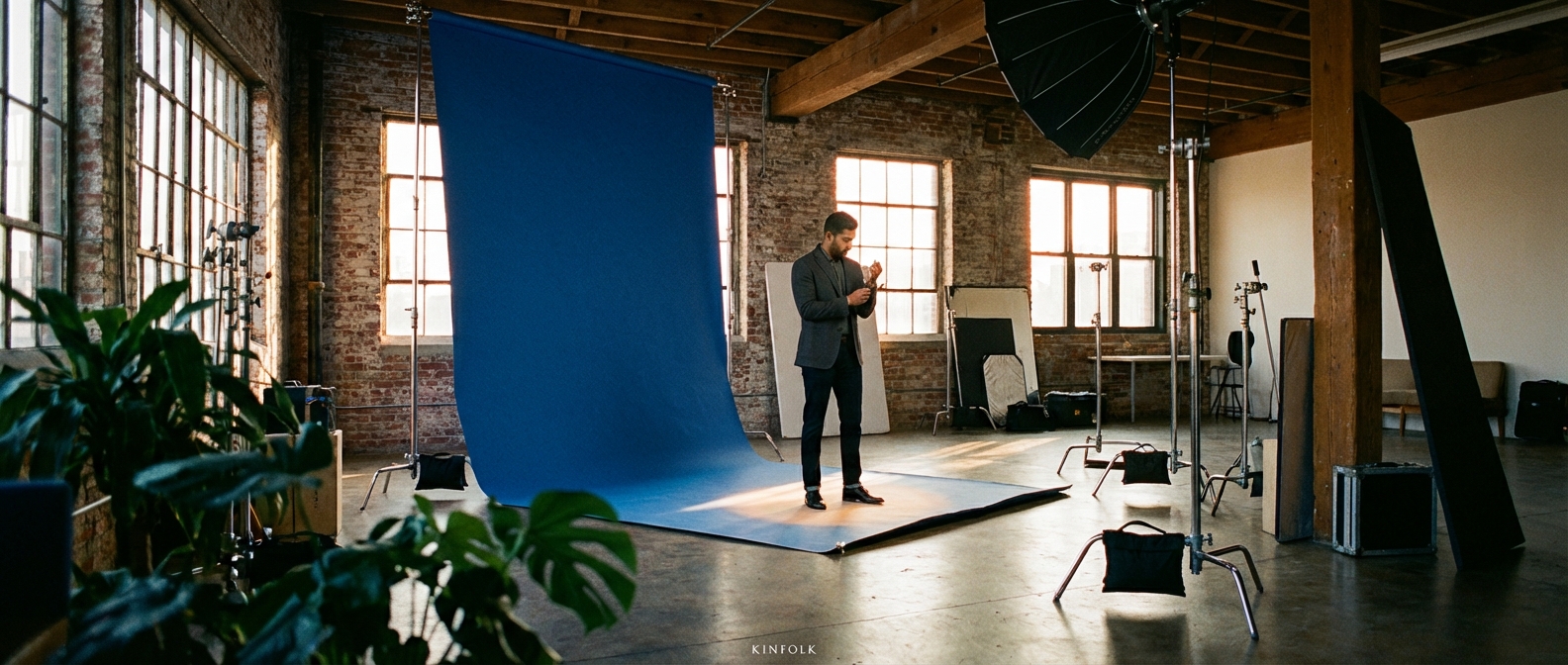
A professional headshot is a clear portrait used to create trust in a work context: on LinkedIn, a resume, a company bio, a casting profile, or anywhere your name appears before you do. A good one is current, well-lit, framed head-and-shoulders, and consistent with how you actually look. You can get one from a photographer ($150 to $400 for a typical session), your own phone, or AI generation from one clear selfie. With Portreya, Starter is $4.99 for 2 photos, one clear selfie, about 60 seconds per image, one-time payment, money-back guarantee.
This guide covers what makes a headshot work, what each route costs, what to wear, how rules change by profession, and when to update. It is written for individuals. If you own a company-wide rollout, start with TeamShotsPro company headshots instead.
What makes a headshot professional
Professional does not mean stiff. It means four things are true at once.
- The face is clear. Even light, sharp focus, and a crop close enough that your expression reads at thumbnail size. Most people will see your photo smaller than a coin on a phone feed.
- The expression is intentional. A relaxed, slight smile works for most fields. Formal roles often prefer composed warmth without a wide grin. The goal is approachable confidence, not a passport blank stare.
- The styling fits the role. Clothing one step more polished than your daily norm, in solid colors that contrast with the background. Patterns, loud logos, and heavy accessories pull attention away from the face.
- Nothing distracts. No busy backgrounds, no heavy filters, no crop from a group photo that cuts your shoulders oddly. Recognition is the real test: the photo has to look like you on a good day, this year.
Where professional headshots get used
The same photo works harder than most people plan for:
- LinkedIn profile picture and LinkedIn profession page
- Resumes, CVs, and job application photos (norms differ by country)
- Company bios, employee directories, and speaker pages
- Proposals, personal sites, and casting platforms
The three ways to get a professional headshot
1. Photographer session
A local photographer typically charges $150 to $400 per person for a standard session, more for specialist casting packages (often $400 to $1,000). You pay for live direction, lighting control, and hand retouching. This route earns the money when the image has a big job: press, executive branding, large-format print, or casting portfolios that must be exact.
Honest limits: scheduling, travel, and reshoots. If your look changes next month, you pay again.
2. Phone DIY
Doing it yourself costs only time: window daylight (or soft outdoor shade), camera at eye level, a plain wall, and many takes. You control wardrobe and expression completely. The tradeoff is consistency. Most DIY sets fail on uneven light, messy backgrounds, or a crop that falls apart at thumbnail size.
Use DIY when you need something usable today and can spend an hour iterating. Pair it with the at-home headshot tips and poses guide.
3. AI from one clear selfie
AI generation works from one clear selfie and returns professional options in about 60 seconds per image, with clothing, background, and lighting handled in the generation. On Portreya:
- Starter: $4.99 for 2 photos
- One clear selfie is enough
- Results in about 60 seconds per image
- One-time payment (no subscription required for Starter)
- Money-back guarantee
When AI is enough: LinkedIn, applications, company bios, directories, and most speaker sites.
When a photographer still wins: high-stakes press, casting packages that demand live direction, and large-format print reviews.
What to wear, and how the photo should look
Solid colors beat patterns. Structure beats slouch. Contrast with the background beats blending into it. Keep accessories minimal so the face stays the subject.
- Business and corporate: navy, charcoal, soft white, simple blazer or structured top.
- Creative fields: still clean, with slightly more color or texture if it matches the role.
- Medical and legal: conservative register; clarity over fashion.
Rules change by profession
A lawyer's headshot and an actor's headshot have almost nothing in common.
- Formal fields (law, finance, consulting): dark structured clothing, composed expression, clean background.
- Casting and acting: accurate current likeness above all; packages and specs matter more than "polish."
- Medical directories: approachable, clear face, white coat or business attire depending on the directory.
- Real estate and sales: approachable confidence; often slightly warmer than pure corporate.
- Models: book-current digitals and consistency across a set, not one soft portrait.