PortreyaJournal

What to Wear for Professional Headshots

MH
Matthieu van HaperenFounder & CEO, Portreya · Updated Jul 2026

TL;DR: Quick Answer

Wear what your audience expects on a good workday, in clean lines and solid colors with enough contrast against your background.

Match your field: structured and muted for law/finance/executive, smart-casual for creative/tech, soft and approachable for care/service roles.

Plan wardrobe and background together so your top never blends into the background, and keep jewelry minimal so your face stays the focus.

Generating with Portreya works from a single selfie; show clear clothing edges in your source photos for a cleaner result in under a minute.

What to Wear for Professional Headshots

Direct answer: Wear what your audience expects from you on a good workday. Choose clean lines, solid colors, and enough contrast with your background so your face stays the focus.

This guide is written for an individual who needs a credible professional image, not a company photo day. The priority is to look natural, current, and ready for the context where the photo will appear, whether that is LinkedIn, a personal website, a resume, or a casting profile.

Start with your role

A lawyer, a designer, a founder, a therapist, and a real estate agent can all look professional in very different clothes. Before you pick anything, ask one question: what does someone in my field wear on a day they want to be taken seriously? Match that, then clean it up one notch.

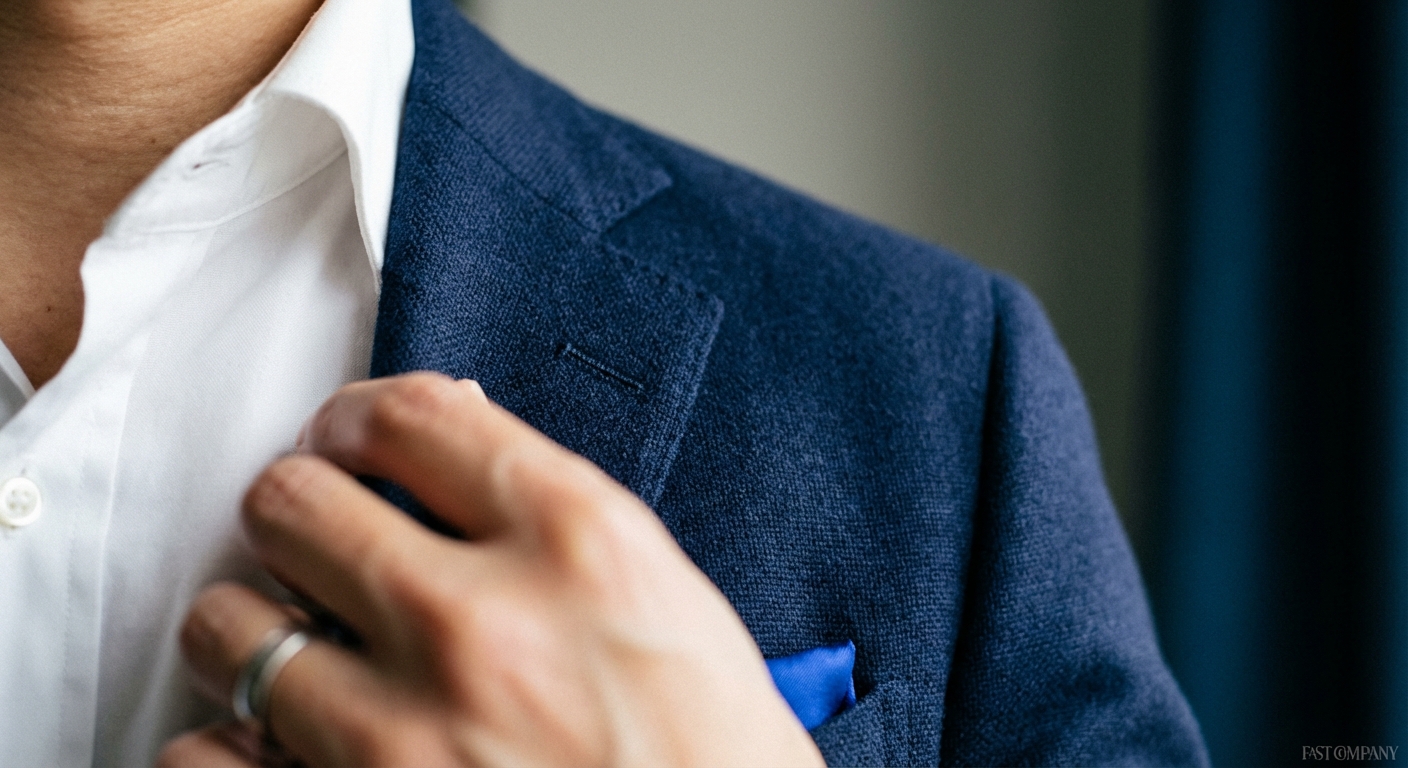
  • Conservative fields (law, finance, consulting, executive bios): a structured blazer, a crisp shirt or blouse, muted solid colors.
  • Creative and tech fields (design, startups, marketing): a smart knit, an open-collar shirt, or a simple jacket without a tie reads current and capable.
  • Care and service fields (healthcare, coaching, education): soft, approachable colors and clean necklines signal warmth without losing authority.
The goal is never to look like someone else. It is to look like the most prepared version of you.

Colors that photograph well

Solid navy, charcoal, white, cream, forest green, burgundy, and black are reliable because they hold their shape on camera and do not compete with your face. Two rules matter more than the exact color:

  1. Contrast with the background. A dark top on a dark background blends into a silhouette. If you plan a darker background, lean toward a mid-tone or lighter top, and the reverse for a light background. See the headshot backgrounds guide to plan the pairing before you shoot or generate.
  2. Flatter your skin tone. Cool complexions usually shine in blues, greens, and true white. Warm complexions tend to look healthiest in cream, olive, burgundy, and warm neutrals.
Avoid tiny busy patterns, thin stripes, and tight checks. They can shimmer, distract, and render poorly at the small size your photo actually appears on a profile.

Necklines and fit

Fit reads as competence more than any single garment does. Clothes that pull, gape, or bunch at the shoulders pull attention away from your face.

  • Necklines: crew, V, and collared necklines all work. A simple neckline keeps the eye on your expression. Very low or very fussy necklines compete with your face in a tight crop.
  • Shoulders and collar: make sure the shoulder seam sits where your shoulder ends and the collar lies flat. A collar that flips or buckles is the most common avoidable flaw.
  • Layers: a blazer or structured jacket adds shape and a clean edge around the shoulders, which is why it photographs well even in casual fields.

What to wear by profession

Women

A tailored blazer over a solid top is the most versatile choice, but it is far from the only one. A clean blouse, a fine-knit sweater, or a simple structured dress all photograph beautifully when the color is solid and the fit is right. Keep jewelry minimal so it frames rather than competes. If you want one safe default for a job search or LinkedIn, a navy or charcoal blazer over a white or cream top rarely misses.

Men

A collared shirt, with or without a blazer, covers almost every professional context. Add a tie only if your field expects one. Make sure the collar is pressed and sits flat, since a soft or curling collar is the detail that most often cheapens an otherwise good photo. A fine-gauge knit or a simple jacket reads modern in creative and tech roles.

Executives and senior professionals

Lean into structure and restraint. A well-fitted blazer, a solid shirt or blouse, and quiet colors communicate authority without trying too hard. Skip anything trendy that will date the photo within a year. This is the one context where slightly more formal almost always beats slightly more casual.

Dress one small step above your day-to-day work clothes. Recruiters scan profiles quickly, so clean contrast and a confident, approachable look do more work than a specific outfit. Solid colors, a simple neckline, and a tidy collar give you a photo that holds up next to anyone else's in the search results.

Actors and casting

Casting profiles reward range and honesty over polish. Wear simple, well-fitting, solid clothing that does not pull focus from your face and natural look. For high-stakes editorial or press shoots, a photographer is still the better call, since those briefs need direction a generated image cannot replace.

Real estate

Approachable and trustworthy beats formal here. A blazer over an open-collar shirt or a clean blouse signals that you are professional and easy to work with. Keep the colors warm and confident, since your headshot often sits right next to a listing or a "for sale" sign.
Glasses, jewelry, and accessories

  • Glasses: if you wear them every day, wear them in the photo so you look like yourself. Tilt your head slightly or adjust your lighting to reduce glare on the lenses.
  • Jewelry: small and simple frames your face. Large or shiny pieces draw the eye away from your expression and can catch distracting reflections.
  • Makeup and grooming: aim for a clean, natural version of how you usually present. Matte beats shiny under most lighting because shine photographs as bright spots.

Create professional headshots with Portreya

Open a free account, upload a selfie, and pick your style.

Create your free account

Match your wardrobe to the background

Wardrobe and background are one decision, not two. Plan them together so your top and your background never collapse into a single shape. A light gray or soft neutral background flatters most outfits and most skin tones, which is why it is a safe starting point. Once you have a background in mind, choose a top that sits a clear step lighter or darker than it. The headshot backgrounds guide walks through which pairings hold up best.

Common mistakes to avoid

  • Wearing a top that matches the background and disappears into it.
  • Small, busy patterns that shimmer or distract at thumbnail size.
  • A collar or shoulder seam that does not sit flat.
  • Brand-new clothes you have never worn, which often look stiff and unnatural.
  • Heavy, shiny jewelry that pulls attention from your face.
  • Dressing for a job you are leaving instead of the one you want next.

AI-specific advice

If you are generating your headshot with Portreya, the clothing in your source selfies guides the wardrobe in your result. You can get a polished, professional headshot from one clear selfie. Additional source photos are optional; if you add one, choose a photo where your clothing edges are clearly visible, not hidden by hair, hands, or bags. Photograph yourself in a top close to what you want in the final image, in even light, and you will get a more faithful result in under a minute.

Next step

Pick your outfit, then test it with your own face using the AI headshot generator. Plan the look end to end with the headshot poses guide and the headshot backgrounds guide, or compare AI versus a photographer before you decide. A traditional studio session typically runs $150 to $400, so it is worth knowing what each path gives you first.

Frequently asked questions

Should I wear a suit for a headshot?

Only if a suit matches your role. A clean blouse, shirt, knit, blazer, or simple jacket can be equally professional. Fit and contrast matter more than formality.

What should a woman wear for a professional headshot?

A tailored blazer over a solid top is the most versatile choice, but a clean blouse, a fine-knit sweater, or a simple structured dress all work well. Keep colors solid, the fit clean, and jewelry minimal.

Are patterns bad for headshots?

Large, simple patterns can work, but small busy patterns often distract and can render poorly in thumbnails. When in doubt, choose a solid color.

What colors are best for a professional headshot?

Solid navy, charcoal, white, cream, forest green, burgundy, and black are reliable. Choose a color that contrasts with your background and flatters your skin tone.

Should I wear my glasses in the photo?

If you wear glasses every day, wear them so the photo looks like you. Adjust your angle or lighting to reduce glare on the lenses.

Primary cluster page

Frequently Asked Questions

Should I wear a suit for a headshot?+

Only if a suit matches your role. A clean blouse, shirt, knit, blazer, or simple jacket can be equally professional. Fit and contrast matter more than formality.

What should a woman wear for a professional headshot?+

A tailored blazer over a solid top is the most versatile choice, but a clean blouse, a fine-knit sweater, or a simple structured dress all work well. Keep colors solid, the fit clean, and jewelry minimal.

Are patterns bad for headshots?+

Large, simple patterns can work, but small busy patterns often distract and can render poorly in thumbnails. When in doubt, choose a solid color.

What colors are best for a professional headshot?+

Solid navy, charcoal, white, cream, forest green, burgundy, and black are reliable. Choose a color that contrasts with your background and flatters your skin tone.

Should I wear my glasses in the photo?+

If you wear glasses every day, wear them so the photo looks like you. Adjust your angle or lighting to reduce glare on the lenses.

60 secondsto first AI headshots

Ready to get started with Portreya?

Generate professional AI headshots in 60 seconds.

Create your free account
Matthieu van Haperen

About the Author

Founder & CEO, Portreya

Matthieu van Haperen runs Portreya, where he helps individuals turn casual selfies into professional AI headshots. Before founding Portreya, he spent 6+ years building and scaling tech startups. He writes about professional photography, personal branding, and how AI is changing online portraits.

Connect on LinkedIn