Headshot vs Portrait: What's the Real Difference (and Which One Do You Need)?
You book a photographer, pay the deposit, and show up excited, only to receive moody, artistic images when what you actually needed was a clean, professional photo for LinkedIn. Or worse, you get a stiff corporate headshot when you wanted something that captures your personality for a personal project. This mix-up happens constantly, and it usually comes down to one thing: people don't actually know the difference between a headshot and a portrait before they book.
This article clears up that confusion for good. You'll learn exactly what separates a headshot from a portrait, which one fits your specific situation, whether that's a job search, acting career, corporate profile, or personal branding, and what to expect in terms of cost, turnaround, and requirements. By the end, you'll know precisely what to ask for and who to hire.
What's the Actual Difference Between a Headshot and a Portrait?
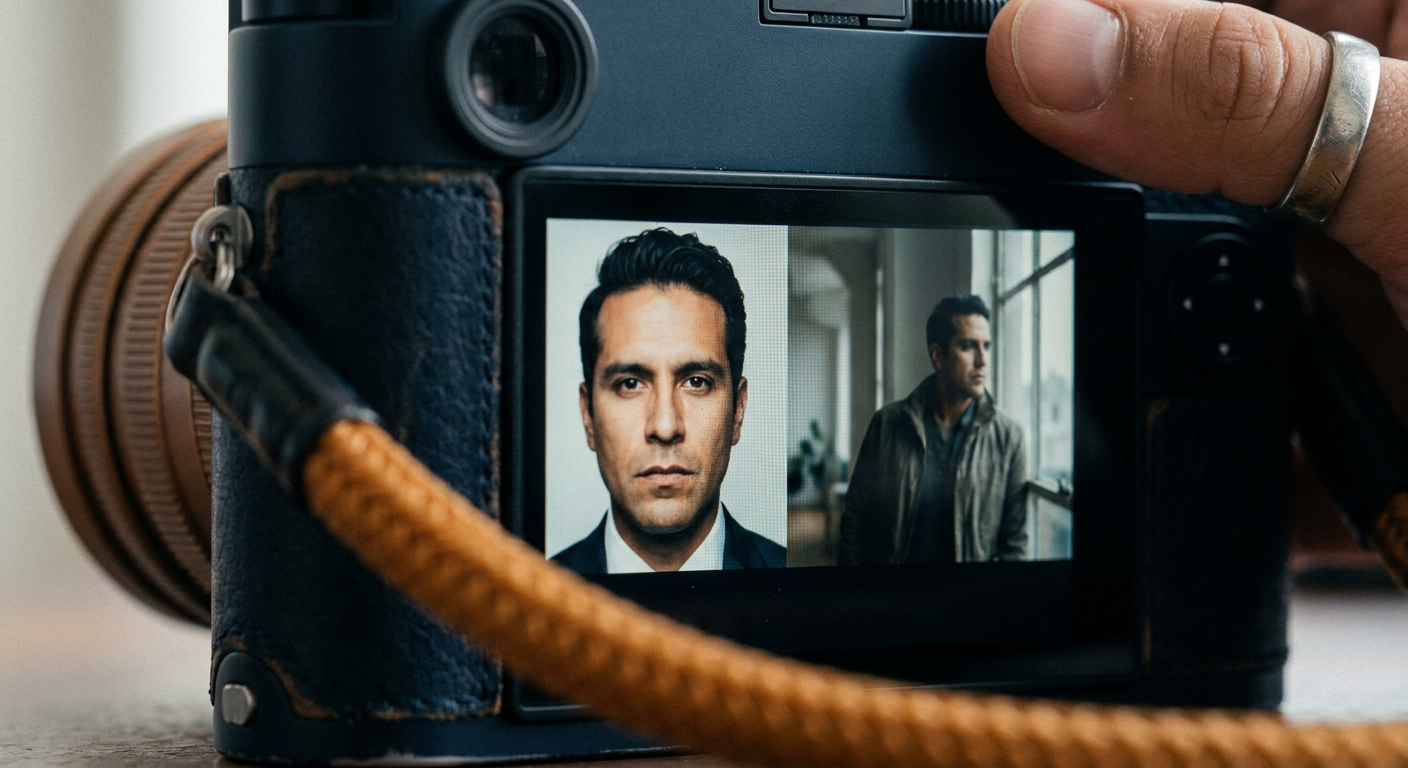
A headshot is a tightly cropped photo of your face and shoulders, taken for identification and professional use. Think LinkedIn, a company "About Us" page, a resume, or an acting profile. A portrait is a broader, more expressive image that can include your body, environment, and mood, the kind of photo you'd frame at home or feature in a magazine spread.
Both can look polished. Both can be shot by a skilled photographer. The difference isn't quality, it's purpose.
Here's the split in plain terms:
| Aspect | Headshot | Portrait |
|---|---|---|
| Purpose | Professional identification and trust | Personal expression or storytelling |
| Framing/Crop | Tight, face and shoulders, sometimes just the face | Loose, can include torso, full body, or setting |
| Background | Simple, neutral, non-distracting | Varied, can be scenic, styled, or environmental |
| Lighting style | Even, consistent, flattering | Creative, dramatic, moody, or natural light |
| Expression | Approachable, confident, professional smile | Whatever fits the story, candid, serious, playful |
| Typical use | LinkedIn, résumés, company sites, acting profiles | Personal branding, art prints, family keepsakes, editorial features |
| Editing style | Clean, minimal, natural-looking | Stylized, artistic, sometimes heavily retouched |
| Ownership/usage rights | Often licensed for business/profile use only | Personal use, sometimes licensed for print or publication |
There's overlap. A great headshot can absolutely have artistic polish, good light, good composition, a little personality. But the framing and intent stay narrow: face, shoulders, neutral background, done. Portraits have room to breathe; headshots don't need it.
If you're trying to figure out which one you actually need, start with where the photo is going. A profile photo for job applications or freelance client outreach calls for a headshot. If you're building a personal brand across your headshots by profession use case, an AI AI headshot generator can get you there in minutes, without booking a studio.
Rule of thumb: if the photo needs to prove who you are professionally, get a headshot; if it needs to say something about who you are personally, get a portrait.
Headshot vs Portrait: Which One Do You Need for Your Situation?
The right choice depends on where the photo will live and who's looking at it. Here's how to match your situation to the right shot.
- Job search, resume, LinkedIn: Get a headshot. Recruiters scan profiles fast, and a clean, professional headshot signals you're ready for business. This is non-negotiable for job seekers.
- Company bio page or website profile: Get a headshot. Individual profile photos on a company site typically follow a shared style, similar crop, lighting, and background, so your photo should aim for that same clean, professional look rather than a casual shot.
- Actor or model portfolio: Get a headshot, though casting has its own specific rules for framing and expression worth knowing before you shoot.
- Personal branding, coaching, or content creation: This is a gray zone. You want the clarity of a headshot but the personality of a portrait. A branding-style session that blends both often works best.
- Dating profile or personal social media: Lean portrait. Natural settings, relaxed expressions, and a little context about your life read as more authentic than a studio headshot.
- Family photo, milestone, or artistic keepsake: Get a portrait. These are about memory and mood, not credibility.
- Real estate agent or consultant bio: Get a headshot with light environmental context, think a clean office or neutral outdoor backdrop that still keeps your face the focus.
Quick checklist:
- Going on a resume, ID badge, or professional profile? → Headshot
- Representing your professional role at a company or brand? → Headshot
- Meant to express who you are, not just what you look like? → Portrait
- Unsure? Ask who's viewing it: a stranger deciding whether to trust or hire you (headshot), or someone getting to know you personally (portrait)
Rule of thumb: if you need to be recognized and trusted quickly by a stranger, get a headshot. If you want to express who you are, get a portrait.
How Much Do Headshots and Portraits Cost, and How Long Do They Take?
Cost and time are where headshots and portraits really part ways.
A traditional in-person headshot session typically runs 15 to 45 minutes per look. Photographers know exactly what they need: a few strong frames with good lighting and a clean expression. Portrait sessions run longer, often 1 to 3 hours, because they involve multiple locations, outfit changes, and creative direction to capture mood and story.
Turnaround follows the same pattern. Headshot editing is standardized, so quick-turnaround services often deliver in 24 to 72 hours. Portrait retouching is more selective and artistic, which can push delivery to a week or more.
| Headshots | Portraits | |
|---|---|---|
| Session length | 15 to 45 min | 1 to 3 hours |
| Turnaround | 24 to 72 hrs (common) | Several days to weeks |
| Editing style | Minimal, consistent | Selective, artistic |
| Typical cost driver | Retouching level, quantity | Location, styling, outfits |
- Photographer experience, established photographers charge more, regardless of style
- Number of outfits/looks, each additional look adds session time and editing
- Location vs. studio, outdoor or multi-location portrait shoots cost more than a single studio backdrop
- Retouching level, heavy retouching costs more than light, natural edits
- Usage rights, personal use is cheaper than commercial or advertising licensing, which photographers often price separately
If your goal is simply a polished headshot for LinkedIn or a resume, you don't need to pay for a full portrait session's time or creative complexity. Portreya's AI headshot generator skips the scheduling and location fees entirely, upload photos, get professional results in about 60 seconds. For individual use, plans start at $4.99 for 2 photos, with the Essential ($27.49, 10 photos) and Signature ($29.99, 15 photos) plans built for people who want more variety without the studio price tag. See full details on the pricing page.
Create professional headshots with Portreya
Open a free account, upload a selfie, and pick your style.
Create your free accountCorporate Headshots vs Acting Headshots vs Personal Portraits: How the Requirements Differ
"Headshot" isn't one format. A LinkedIn photo, a casting submission, and a personal branding shot all get called headshots, but they follow different rules, sometimes opposite rules.
Corporate/professional headshots exist to make you look credible and approachable, fast. That means a neutral or softly blurred background, conservative attire, even lighting with no harsh shadows, and a straight-on or slightly angled pose. If you're photographing a full staff for a company site, consistency matters more than individuality, everyone needs the same background color, same crop, same lighting setup, so group or multiple-person headshots don't look assembled from ten different photographers. This is where retouching stays light: smooth out distractions, keep the person recognizable.
Acting and casting headshots flip the priority. Casting directors want to see the real person, not a polished version. Retouching is minimal by industry standard, no smoothed skin, no reshaped jaw. The background is simple, eye contact is direct, and many actors need two distinct looks: a theatrical shot (more dramatic, character-driven) and a commercial shot (warmer, approachable). Casting platforms also enforce specific formatting, agency crop, file size, resolution, so an otherwise great photo can get rejected on a technicality.
Personal portraits, for branding, art, or family use, get the most freedom. Props, multiple outfits, changing locations, mood lighting, creative color grading: all fair game. There's no gatekeeper enforcing format rules, so the only requirement is that the image works for whatever platform or purpose it's headed to, whether that's an Instagram feed or a printed keepsake.
Quick reference:
| Type | Background | Retouching | Flexibility |
|---|---|---|---|
| Corporate | Neutral/consistent | Light | Low |
| Acting/Casting | Simple, standardized | Minimal | Low (strict formatting) |
| Personal Portrait | Varied, creative | Artistic, open | High |
If you're getting headshots done, by a photographer or through an AI headshot generator, tell them exactly what the photo is for. "This is for LinkedIn" produces a different result than "this is for a casting profile." If you're updating your own LinkedIn photo, CV, or casting profile from home, Portreya lets you set the background, attire, and pose before you generate, so the output matches the actual requirement instead of a generic guess, no studio visit needed, from a single selfie.
How to Choose the Right Photographer or Service for Your Headshot
The right choice depends on what you're shooting, not just who's available.
Match the portfolio to your actual need. A wedding photographer with beautiful outdoor portraits isn't automatically good at corporate headshots. Look for examples in your exact category, corporate headshots, acting headshots, branding photos, not just a generalist gallery. If you need a LinkedIn photo, ask to see other LinkedIn photos they've delivered.
Studio photography vs. AI headshot generators. In-person sessions give you real lighting control, live feedback, and a photographer adjusting your pose in real time. That control costs more and requires scheduling around someone else's calendar. AI-generated headshots skip the studio entirely, you upload one clear selfie (additional photos are optional), wait about 60 seconds per image, and get results without booking anything or leaving home. The tradeoff is that quality depends on your source photos, and some industries reject the format outright. Casting and acting headshots, for example, typically require unedited real photos, not AI-generated or heavily retouched images. Know your industry's rules before you pick a method.
Ask about deliverables upfront. How many edited images do you get? What's the turnaround? Is there a revision or improvement policy? And critically, what usage rights come with the images? Get this in writing before you pay.
Check the retouching philosophy. You want to look like a sharper, more confident version of yourself, not a stranger. Ask to see before/after examples. If every "after" photo looks suspiciously smooth, that's a signal.
Read reviews for consistency, not just praise. One glowing review means nothing. A pattern of on-time delivery, professional communication, and predictable results means more.
The practical takeaway: choose based on where the photo is going, your LinkedIn profile, a casting site, your personal portfolio, not on price alone. If you're a solo professional or freelancer tired of struggling to get a decent headshot for your own LinkedIn profile or resume, Portreya's AI headshot generator is built specifically for that individual use case. It's a personal tool, not a team or company-wide photo solution, you upload your own selfie, choose your clothing, background, pose, and lighting before generating, and get a polished result in about a minute without scheduling a session or visiting a studio. It's not built for acting headshots or creative portrait work, for those, a photographer who specializes in that category is still the better fit. Pricing is one-time, not a subscription, so check Portreya's pricing to see which pack matches how many photos you personally need, backed by a 14-day money-back guarantee.
Next steps
At the end of the day, a headshot is defined by its purpose, a clear, professional image built for identification and trust, while a portrait leans into personality and creative expression. The simplest way to choose is to start with where the image will live: a LinkedIn profile or company bio calls for a headshot, while a personal keepsake or artistic project calls for a portrait.
If you're a solo professional, freelancer, or building your personal brand and just need a polished, ready-to-use headshot without booking a studio session, try Portreya to create one in minutes.
Frequently Asked Questions
Is a LinkedIn profile photo a headshot or a portrait?
A LinkedIn profile photo is a headshot. It's a tightly cropped, professional image focused on your face and shoulders, designed to make a strong first impression rather than capture a broader artistic scene.
Can a portrait be used as a professional headshot?
Not usually. Portraits often include more creative lighting, poses, or backgrounds meant for personal or artistic use, while headshots need a clean, polished look with a neutral background suited for professional profiles.
What's the difference between a headshot and a regular professional photo?
A headshot is a close-up, face-focused image meant for professional identification, like LinkedIn or a resume. A regular professional photo might show more of your body, setting, or personality, and is used for broader branding or marketing purposes.
Do actors need headshots or portraits for auditions?
Actors need headshots, not portraits. Casting directors expect a specific, industry-standard headshot style: natural lighting, simple background, and an authentic expression that shows your look clearly.
How often should you update a headshot compared to a portrait?
Headshots should be refreshed every 1-2 years, or whenever your look or role changes, since they're used for active professional profiles. Portraits, being more personal or artistic, can stay relevant for much longer.
Does Portreya offer headshots for LinkedIn and corporate teams?
Yes. Portreya creates professional headshots for LinkedIn profiles and can also deliver consistent, polished results for individuals across an entire organization, all without needing a photographer.
How long does it take to get finished headshots from Portreya?
With Portreya, you can get studio-quality, professional headshots in under 60 seconds, skipping the scheduling and waiting that comes with traditional photography sessions.
What if I need both a professional headshot and a personal portrait?
Portreya is built specifically for fast, professional headshots, perfect for LinkedIn, resumes, and other career needs. For a more personal or artistic portrait, you may want a dedicated photography session, but Portreya covers all your headshot needs instantly.
Can Portreya match consistent headshot styling across a whole team?
Yes. Portreya can deliver a uniform, professional style across every individual in an organization, ensuring everyone's headshot looks polished and cohesive without needing a coordinated photo shoot.
Can a headshot also be considered a type of portrait?
Yes, technically a headshot is a specific type of portrait. It's simply a more focused, professional version, typically cropped tightly on the face and shoulders for use in career or business contexts.
Do I need different headshots for LinkedIn versus acting auditions?
Yes. LinkedIn headshots emphasize a polished, approachable professional look, while acting headshots follow industry-specific standards that highlight natural expression and versatility for casting purposes.
How often should I update my professional headshot?
It's best to refresh your professional headshot every 1-2 years, or whenever your appearance, role, or industry changes significantly, keeping your online presence current and confident.
Are AI-generated headshots acceptable for corporate or casting use?
AI-generated headshots are widely accepted for professional use like LinkedIn or resumes. For casting purposes, it's best to check with your agency, since some casting directors require unedited, natural photos that accurately represent your appearance.
What should I wear for a headshot versus a portrait session?
For a headshot, stick to solid, professional colors and simple clothing that keeps focus on your face. Portrait sessions allow more creative freedom with outfits, styling, and props to reflect personal or artistic expression.
Frequently Asked Questions
Is a LinkedIn profile photo a headshot or a portrait?+
A LinkedIn profile photo is a headshot. It's a close, professional shot focused on your face and shoulders, designed to make a strong first impression rather than capture personality like a portrait would.
Can a portrait be used as a professional headshot?+
Sometimes, but not always. Portraits often include more creative lighting, angles, or background elements that can feel too casual or artistic for professional platforms like LinkedIn, where a clean, polished headshot works best.
What's the difference between a headshot and a regular professional photo?+
A headshot is a focused, professional photo used for platforms like LinkedIn or resumes, emphasizing polish and confidence. A regular professional photo can be broader in style, showing more of your outfit, setting, or personality.
Do actors need headshots or portraits for auditions?+
Actors need headshots, not portraits. Casting directors expect a clean, well-lit headshot that clearly shows your face and expression, helping them quickly gauge your look for a role.
How often should you update a headshot compared to a portrait?+
Headshots should be updated every 1-2 years or whenever your look changes significantly, since they represent your current professional image. Portraits can be updated less frequently since they often serve personal or artistic purposes.
Does Portreya offer headshots for LinkedIn and corporate teams?+
Yes, Portreya creates polished, professional headshots perfect for LinkedIn profiles and can also deliver consistent, high-quality results for groups of individuals who want a unified professional look.
How long does it take to get finished headshots from Portreya?+
With Portreya, you can get studio-quality headshots in under 60 seconds—no scheduling, no waiting weeks for a photographer.
What if I need both a professional headshot and a personal portrait?+
Portreya can help you create a polished headshot for professional use, like LinkedIn or resumes, while giving you the flexibility to explore more personal, expressive portrait styles too.
Can Portreya match consistent headshot styling across a whole team?+
Yes, Portreya can produce consistent, professional headshots for a group of individuals, ensuring everyone has a polished, on-brand look without needing a professional photographer for each person.
Can the same photo be used as both a headshot and a portrait?+
It's possible, but a headshot is optimized for clarity and professionalism, while a portrait often emphasizes creativity or personality—so the ideal photo for each purpose can differ.
How often should I update my professional headshot?+
It's best to update your professional headshot every 1-2 years, or sooner if your appearance changes significantly, to keep your online presence fresh and accurate.
Do I need a headshot or a portrait for LinkedIn?+
You need a headshot for LinkedIn. It's a professional, polished photo that helps you make a strong first impression and stand out to potential employers or clients.
Ready to get started with Portreya?
Generate professional AI headshots in 60 seconds.
Create your free account
About the Author
Founder & CEO, Portreya
Matthieu van Haperen runs Portreya, where he helps individuals turn casual selfies into professional AI headshots. Before founding Portreya, he spent 6+ years building and scaling tech startups. He writes about professional photography, personal branding, and how AI is changing online portraits.
Connect on LinkedIn →